

MATUNUCK
Rhode Island’s Sea Frontier
At the center of the book is a reciprocal relationship between people and the coastal environment. Barrier beaches, salt ponds, storms, tidal waters, and shifting shorelines shaped where people lived, how they traveled, what they harvested, and how they made their livelihoods. In turn, successive generations altered that environment—Native peoples, colonists, farmers, enslaved laborers, fishermen, engineers, entrepreneurs, and conservationists modifying the landscape and waterways to survive, produce food, conduct commerce, and protect coastal communities.
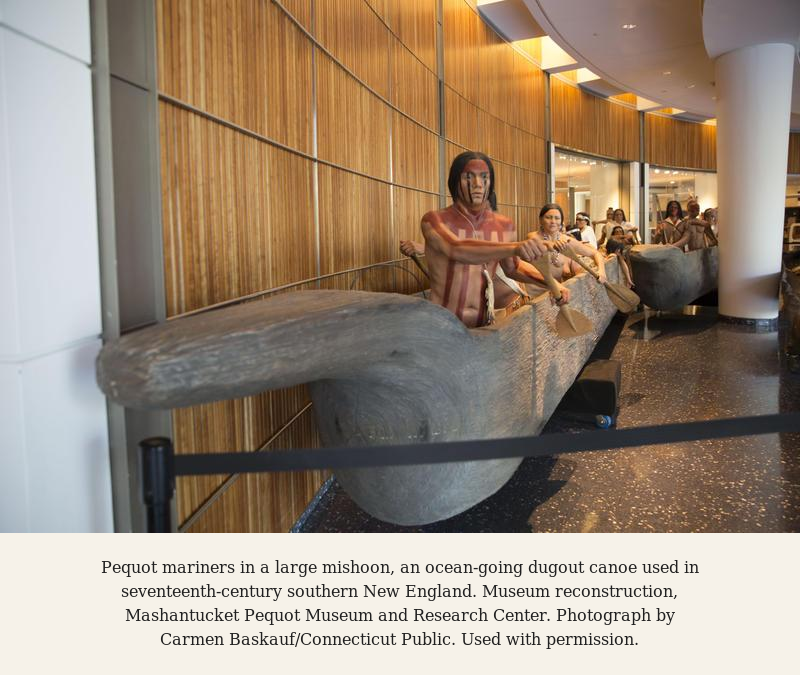
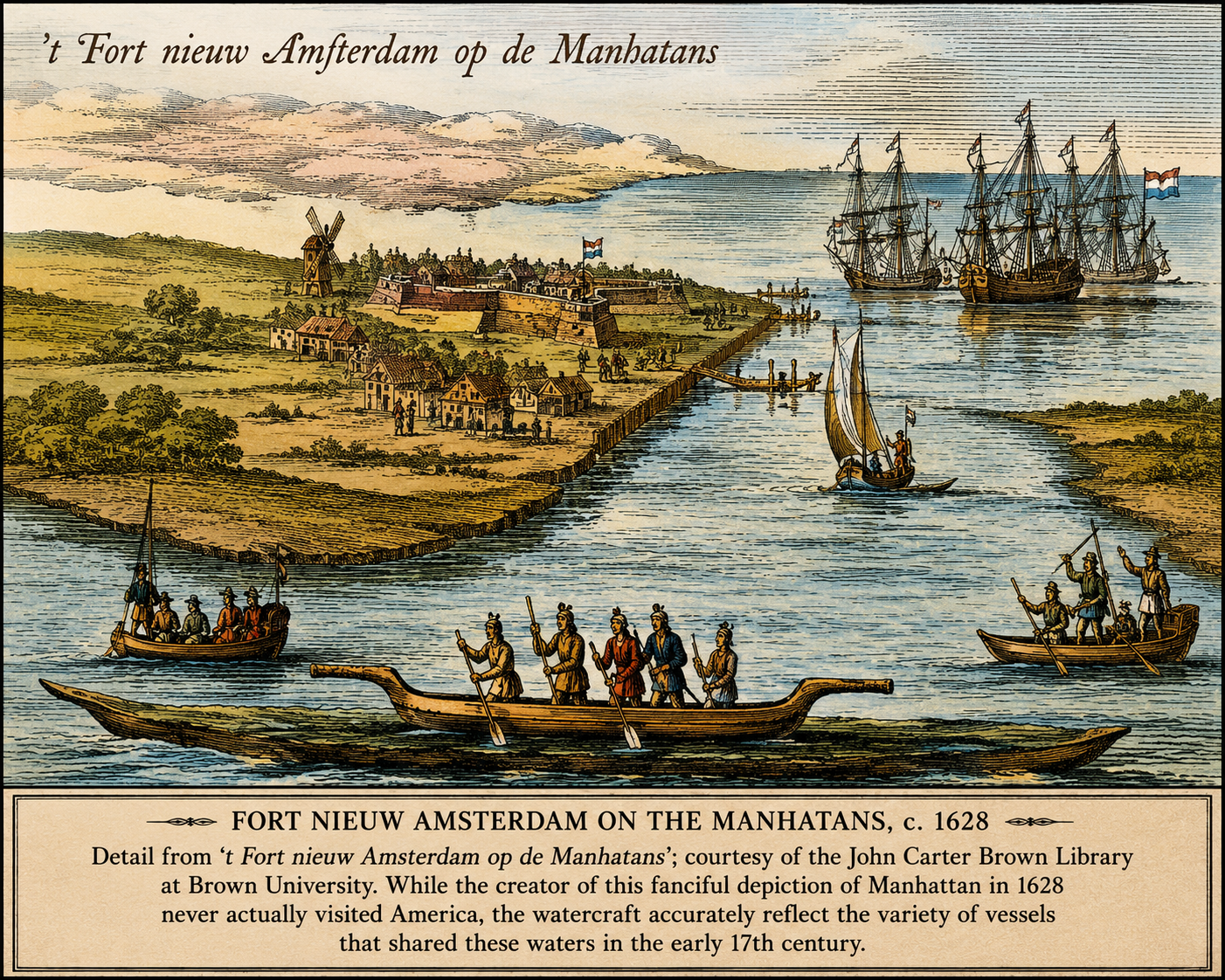
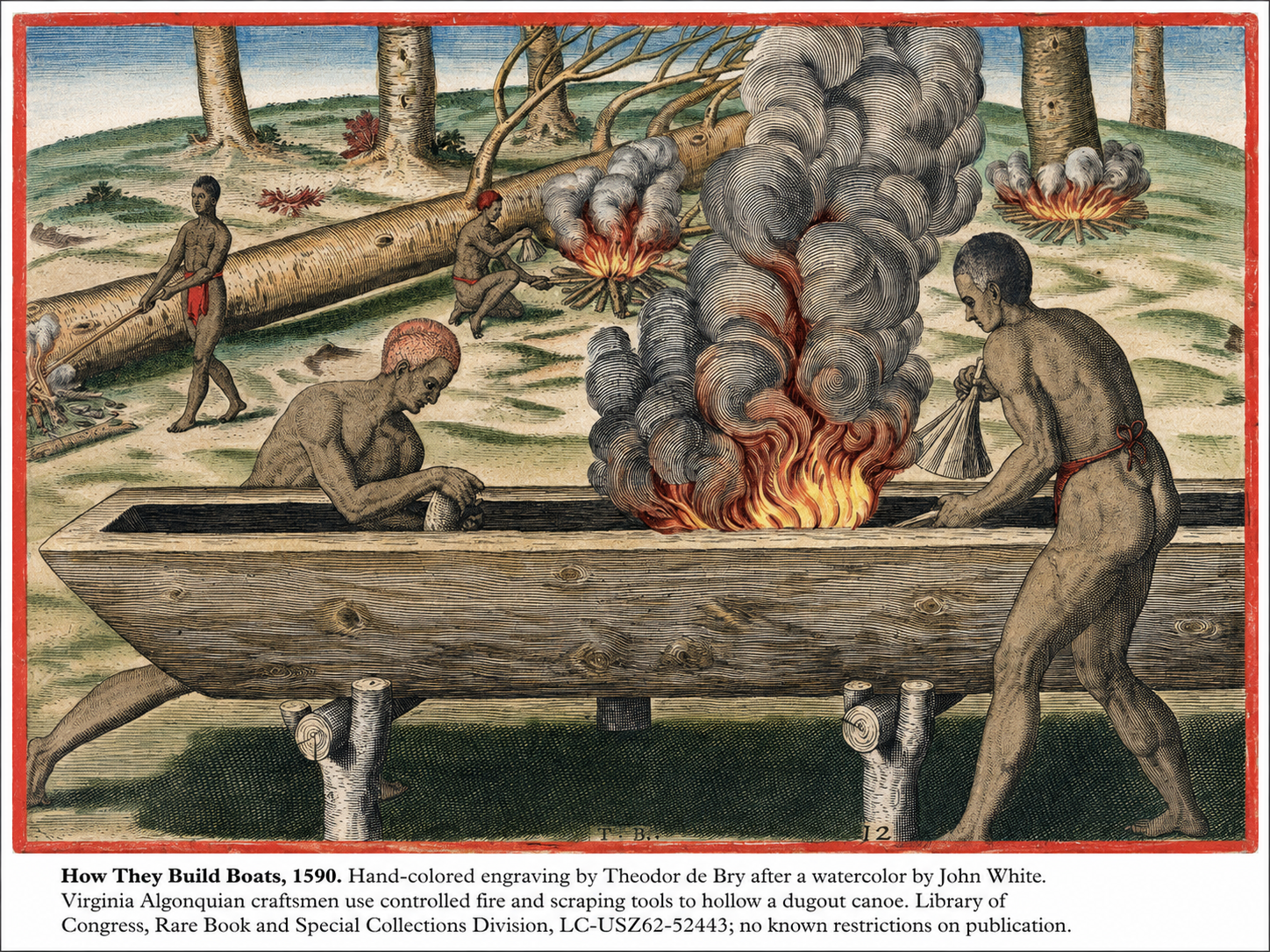
Drawing on historic maps, archival records, photographs, environmental research, family collections, archaeology, and local memory, the book traces the region from its Narragansett homeland and Indigenous maritime traditions through colonial settlement, warfare, slavery, land loss, detribalization, farming, fisheries, tourism, coastal engineering, aquaculture, and modern conservation. Rather than portraying Native communities as disappearing, it examines adaptation, persistence, and the evolution of Indigenous identity across centuries of profound change.
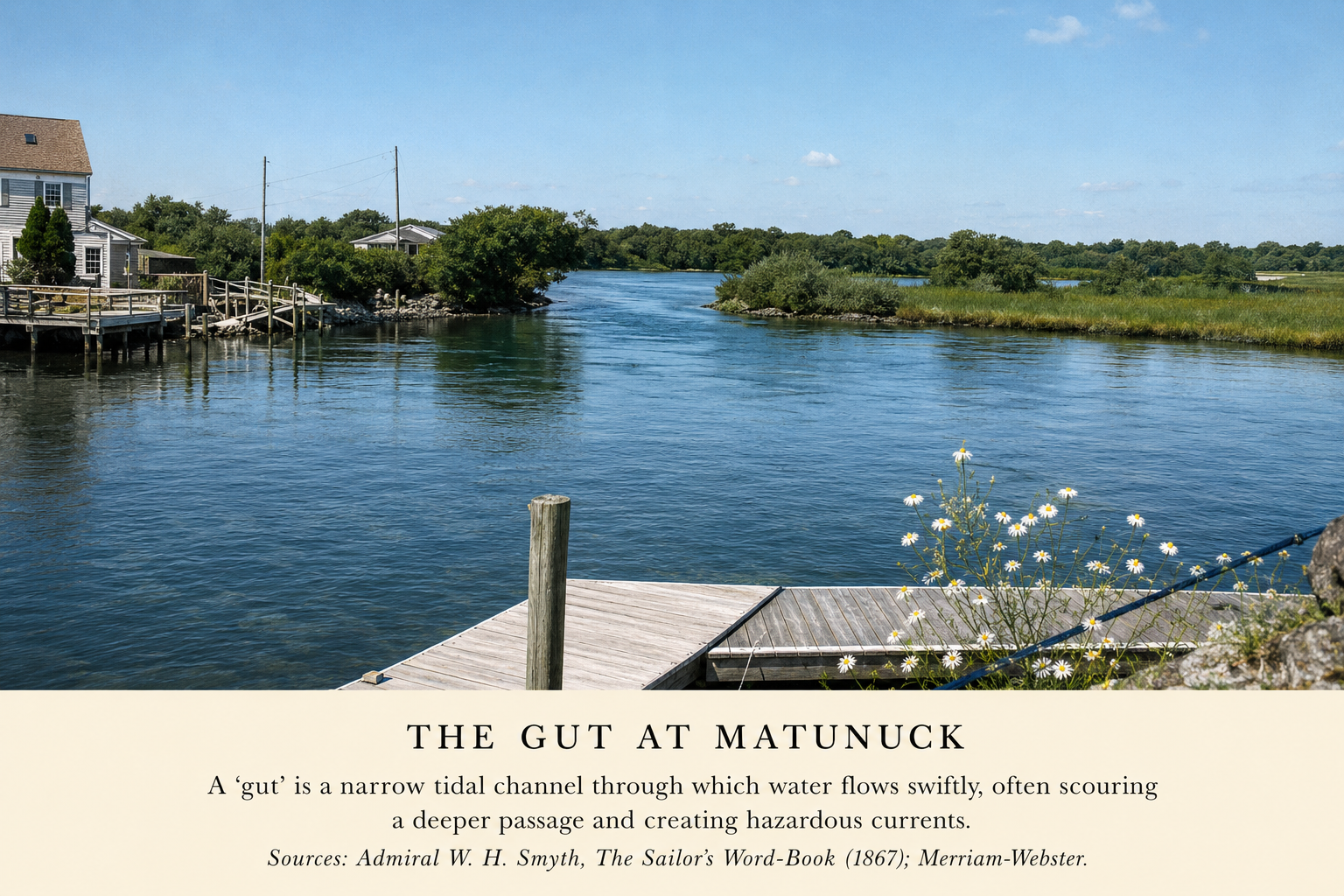
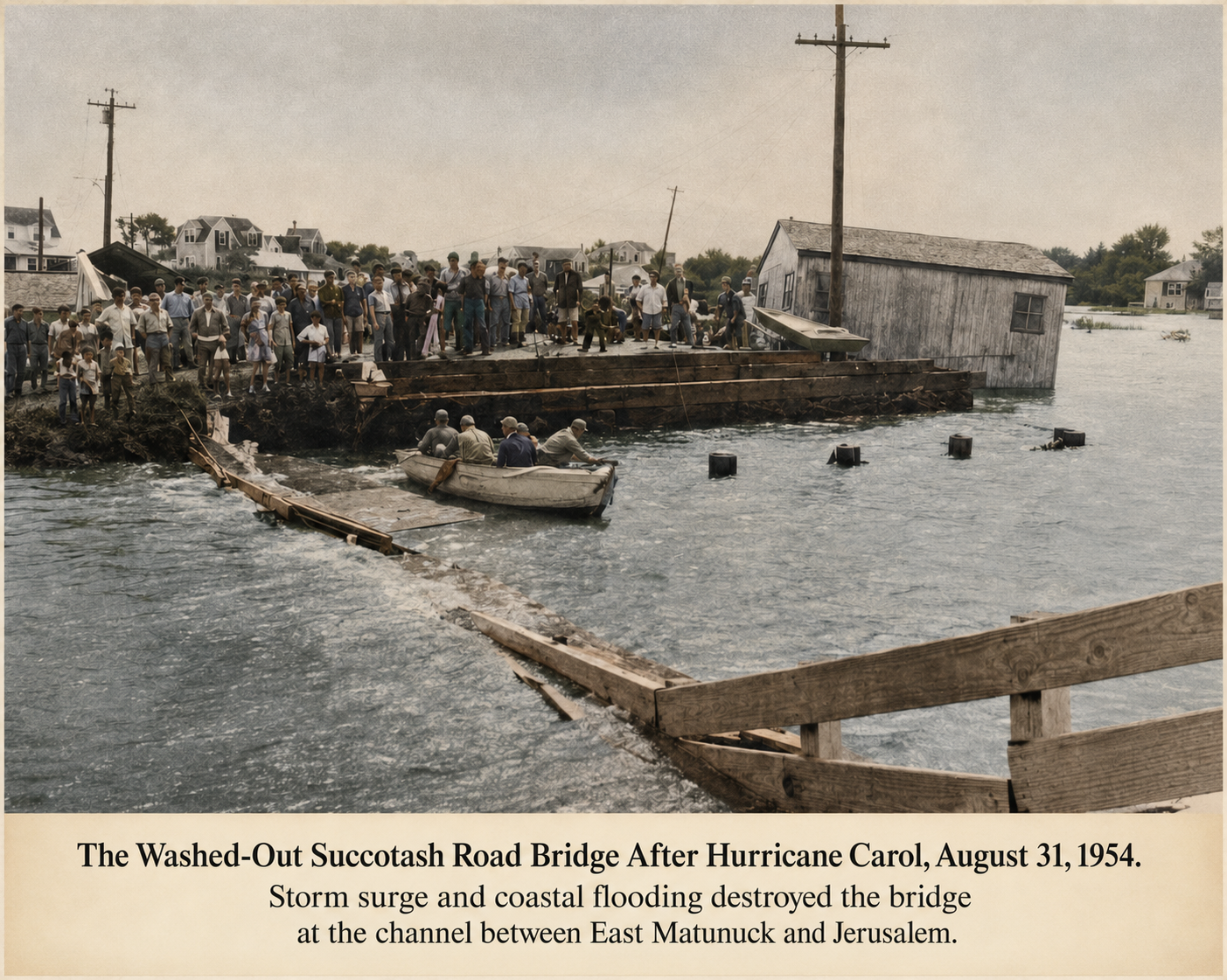
Farmers harvested seaweed for fertilizer. Fishermen and shellfish growers depended upon changing salinity and tidal circulation. Channels, cuts, dredging, and breachways improved navigation and helped support fisheries and shellfish commerce while also transforming pond ecology. Hurricanes—including the great storms of 1815, 1938, and 1954—repeatedly rearranged the coastline, destroyed settlements and infrastructure, and forced communities to adapt again.
The result is a history not simply of a place, but of a sea frontier: a landscape where Indigenous survival, colonial expansion, agriculture, maritime enterprise, environmental change, and modern conservation continually intersected.
Matunuck’s history is the story of people and sea acting upon one another across centuries—an evolving coastal society defined by adaptation, survival, enterprise, and environmental change.
What the Book Covers
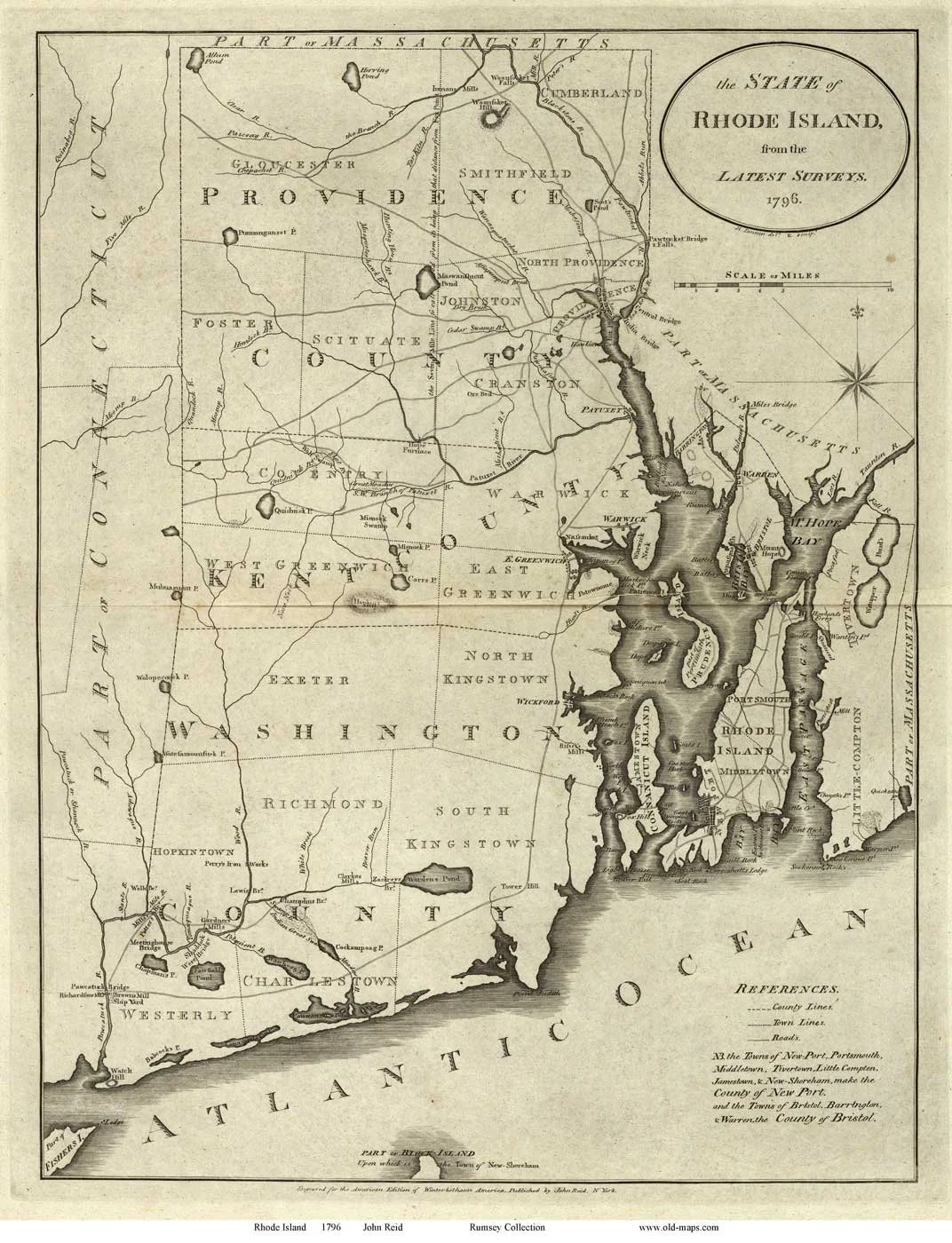
Native homeland and colonial transformation
Farms, fisheries, and maritime enterprise
Storms, engineering, and coastal change
Tourism, Potter Pond, and family life
Aquaculture, conservation, and the modern coast
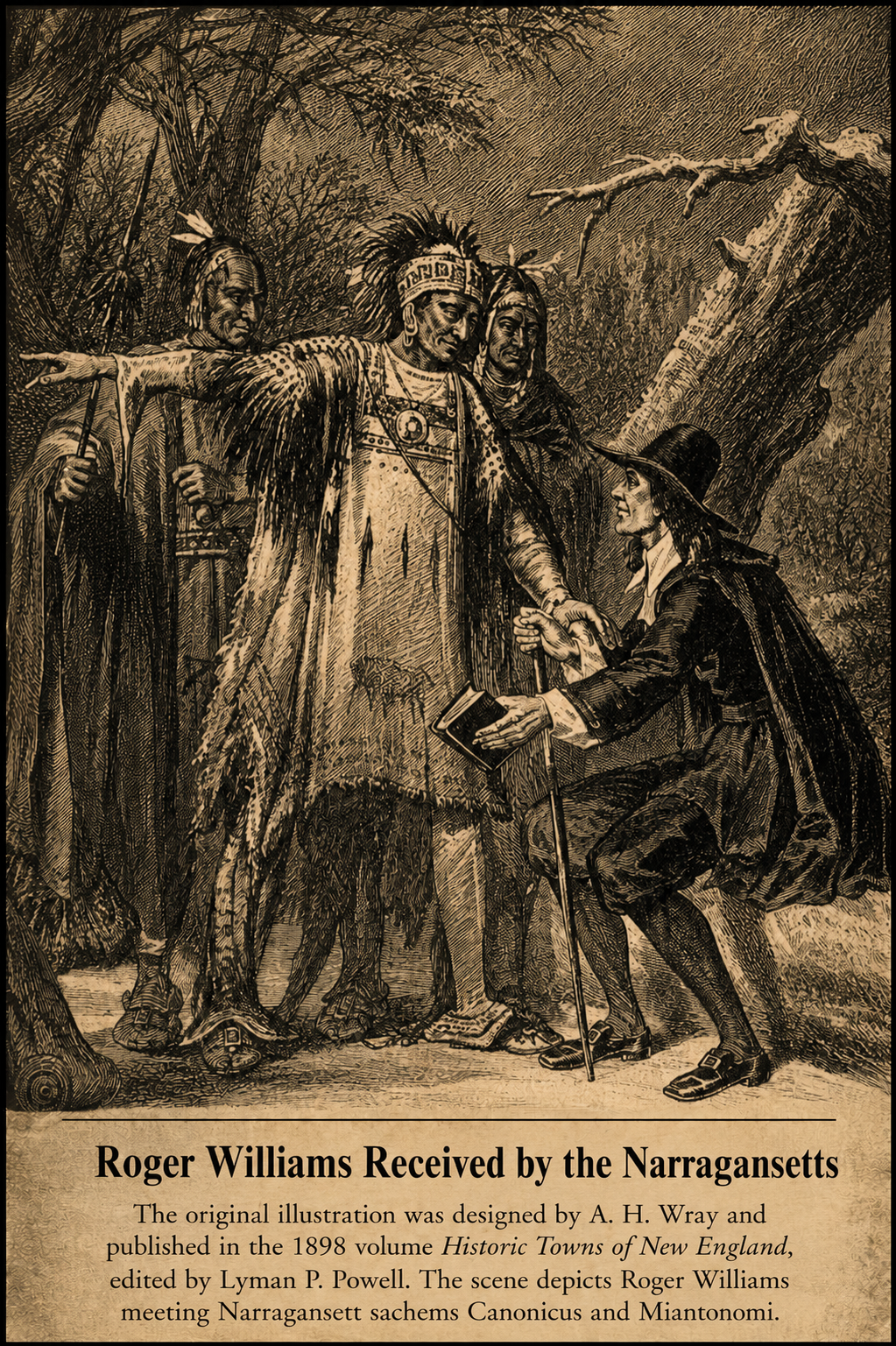
From Native Homeland to Modern Coast
Narragansett homeland
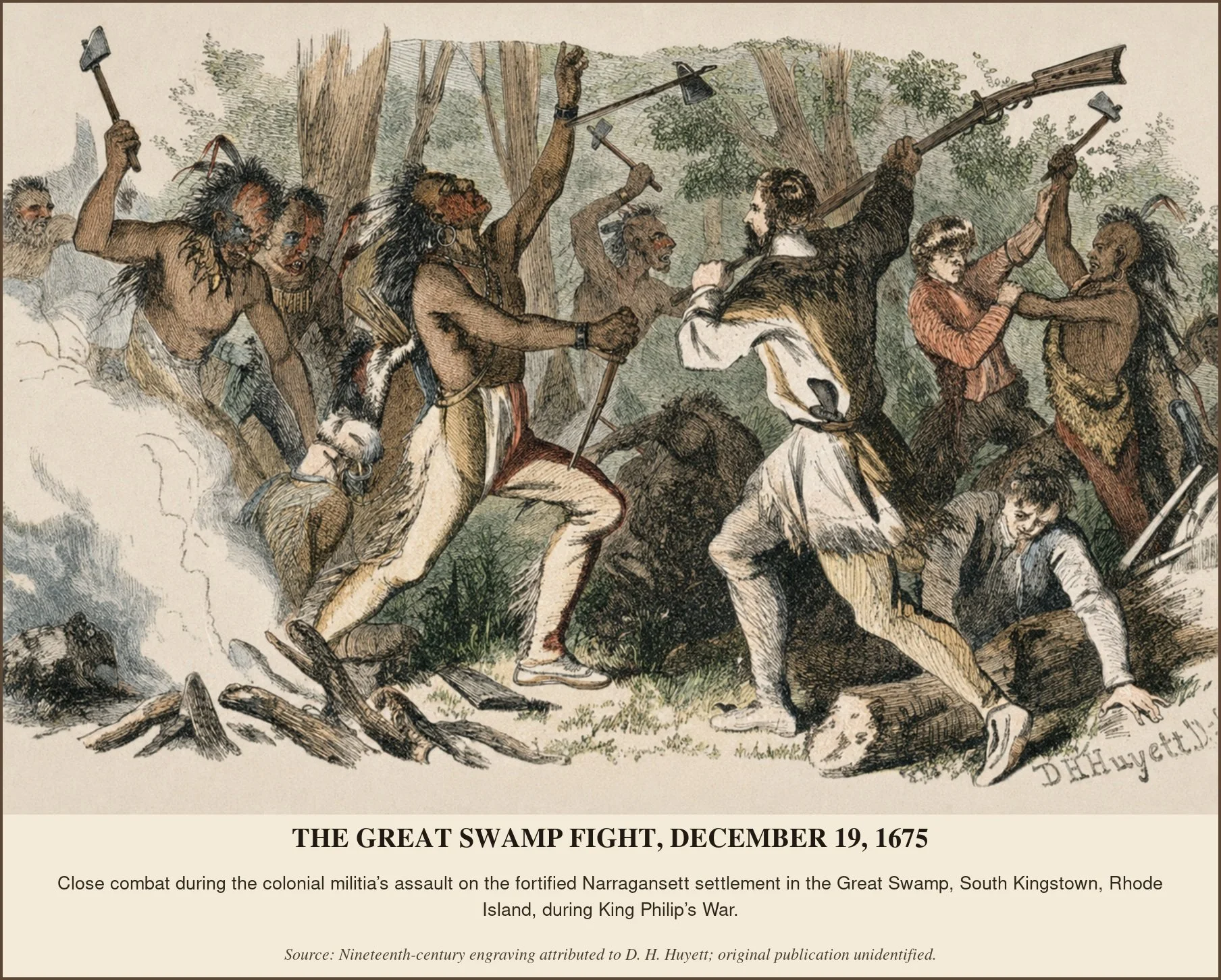
Colonial settlement and King Philip’s War
Narragansett Planters and coastal agriculture
Fisheries, breakwaters, and dredging
Hurricanes and shoreline change
Tourism and Potter Pond life
Aquaculture and conservation
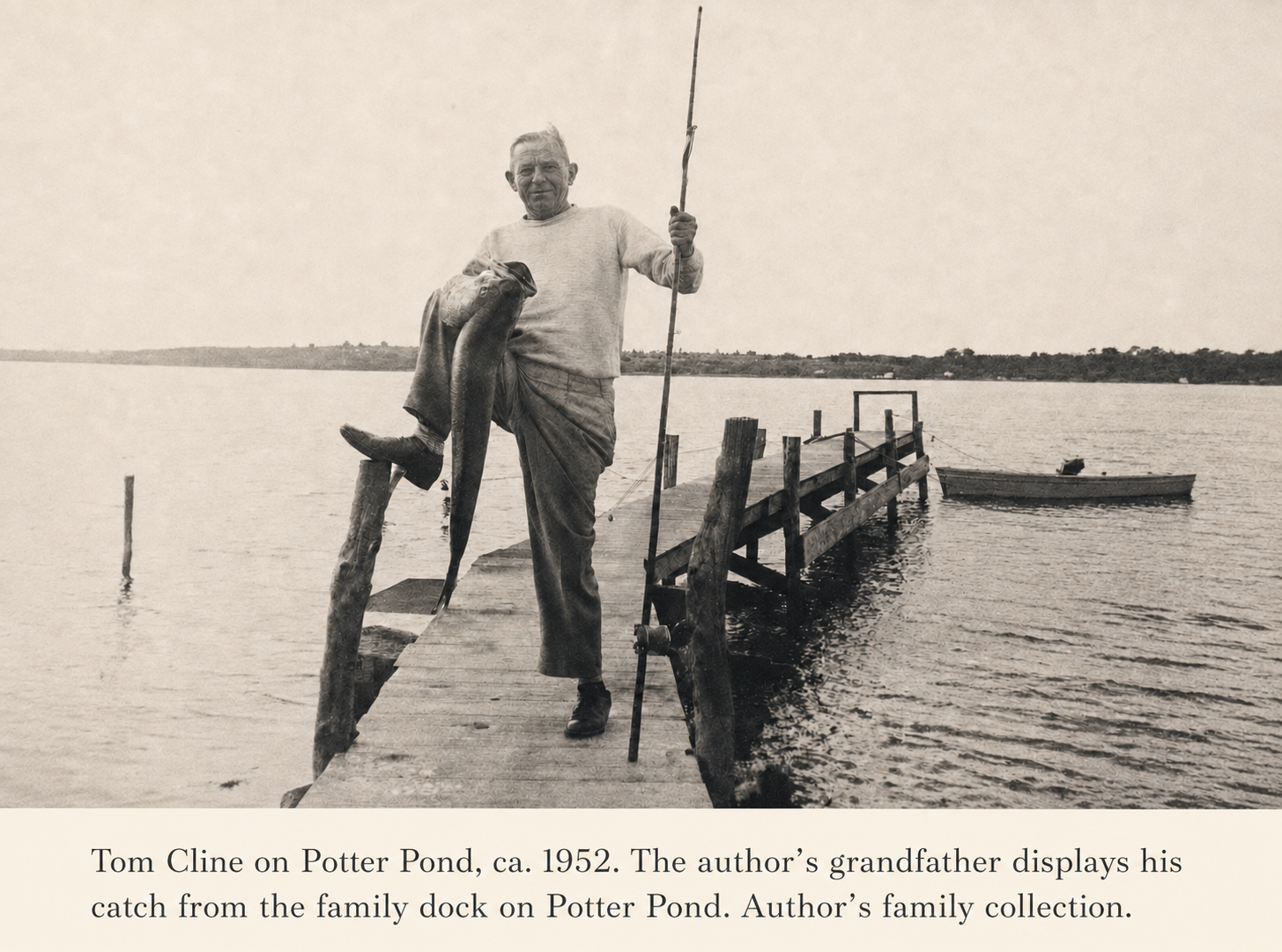
Potter Pond: Community on the Water
Potter Pond brings the larger history of Matunuck down to the scale of everyday life. Cottages, docks, camps, boats, fishing, swimming, shellfishing, winter ice, and seasonal routines created a distinctive community on the water.
The book follows that community into the twentieth century, including the Cline family’s arrival on Potter Pond in 1951 and the author’s childhood summers there. Family photographs and memories are used not simply as nostalgia, but as documentary evidence of the broader patterns that shaped life around the pond.
From Oyster Houses to Aquaculture
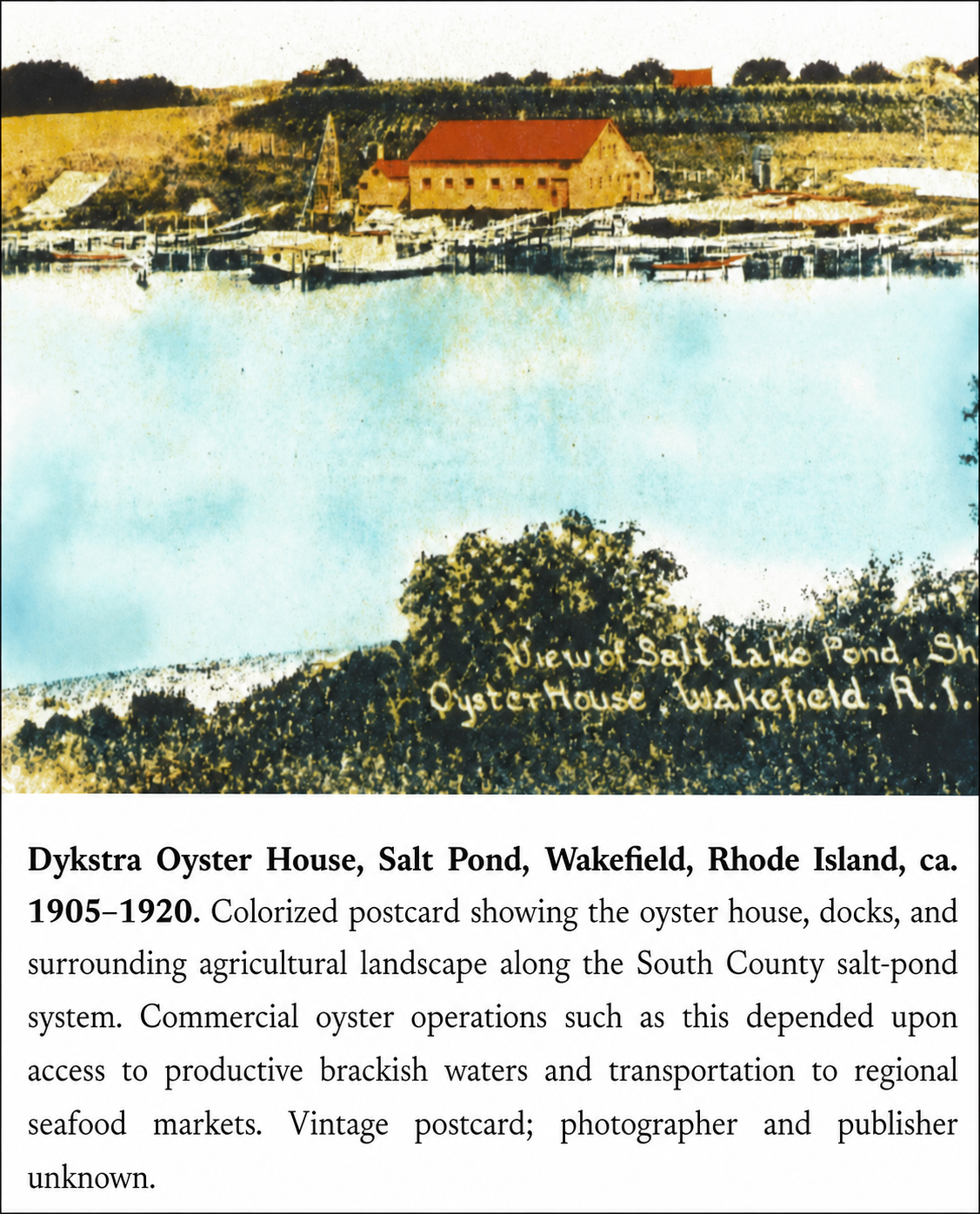
Shellfishing has long been part of Matunuck’s working-waterfront economy. Historic oyster houses, commercial shellfishing, and changing pond conditions linked local livelihoods directly to the health and circulation of the coastal ponds.
The book follows that story into the modern era, tracing the decline and recovery of shellfish resources, changes in water quality and salinity, and the rise of contemporary aquaculture. Modern oyster farming represents both continuity and adaptation—a new form of an old coastal economy shaped by science, regulation, conservation, and local enterprise.
A Region Shaped by Land and Water
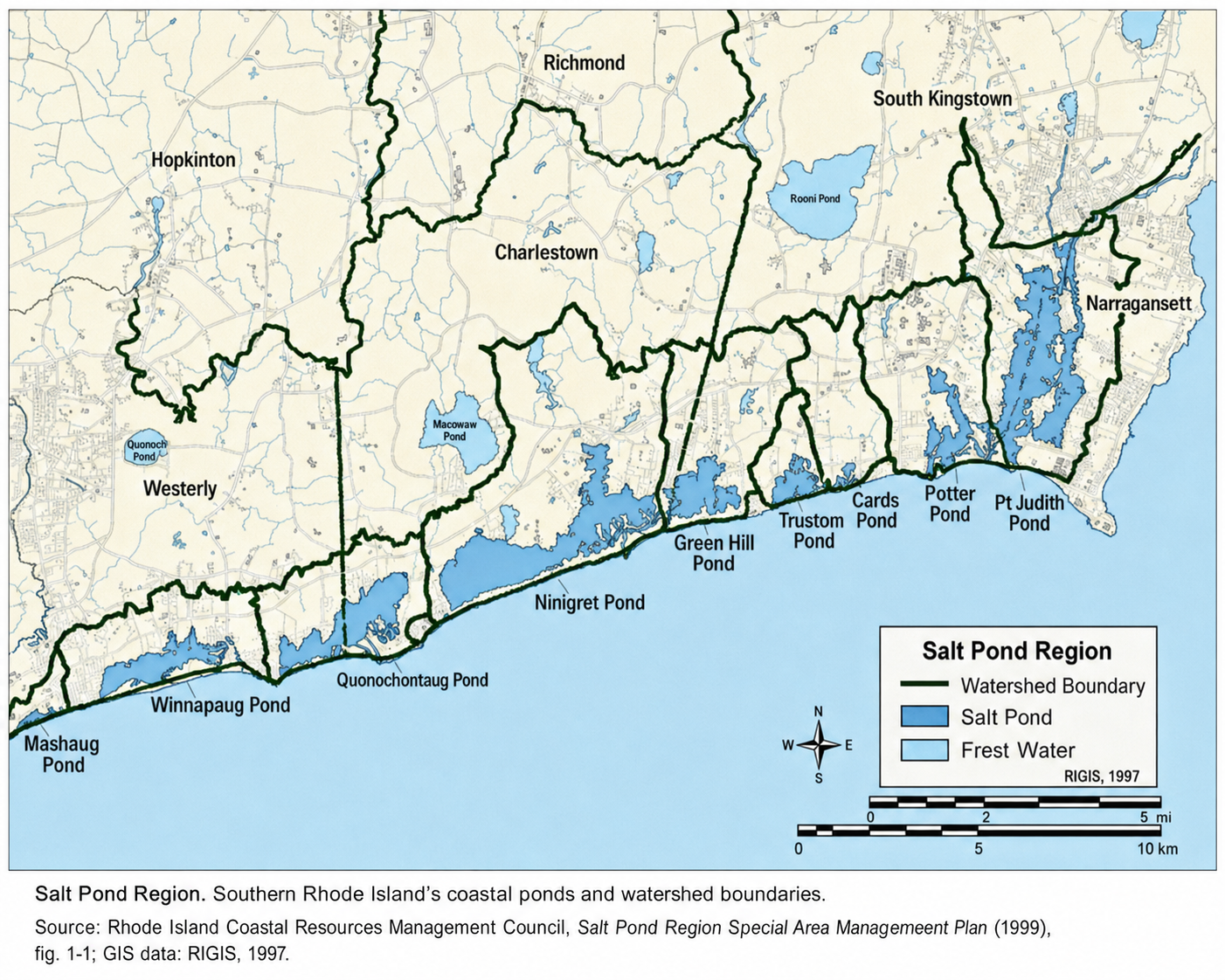
Matunuck is more than a beach community. It is a historic sea frontier—a landscape where ocean, ponds, farms, Native homelands, working waterfronts, family life, and environmental change have interacted for centuries.
The book follows those connections across time, showing how geology and water shaped settlement, how people adapted the coast for farming, fishing, navigation, and tourism, and how storms, dredging, aquaculture, and conservation continue to reshape the region today.
Preserving the Sea Frontier
Matunuck’s history is still being written. Rising property values, changing patterns of development, water quality, shoreline erosion, public access, aquaculture, and conservation all shape the region today.
The book concludes by asking what responsible stewardship should mean for Matunuck. Preserving the sea frontier requires protecting both the natural environment and the human history embedded in its ponds, beaches, farms, working waterfronts, family records, and local traditions.
About the Author
Timothy C. Shea is a University of Rhode Island graduate whose family connection to Potter Pond began when his grandfather purchased land there in 1951. Shea spent the summers of his youth on the pond and has maintained close ties to his extended family living near Matunuck throughout his adult life.
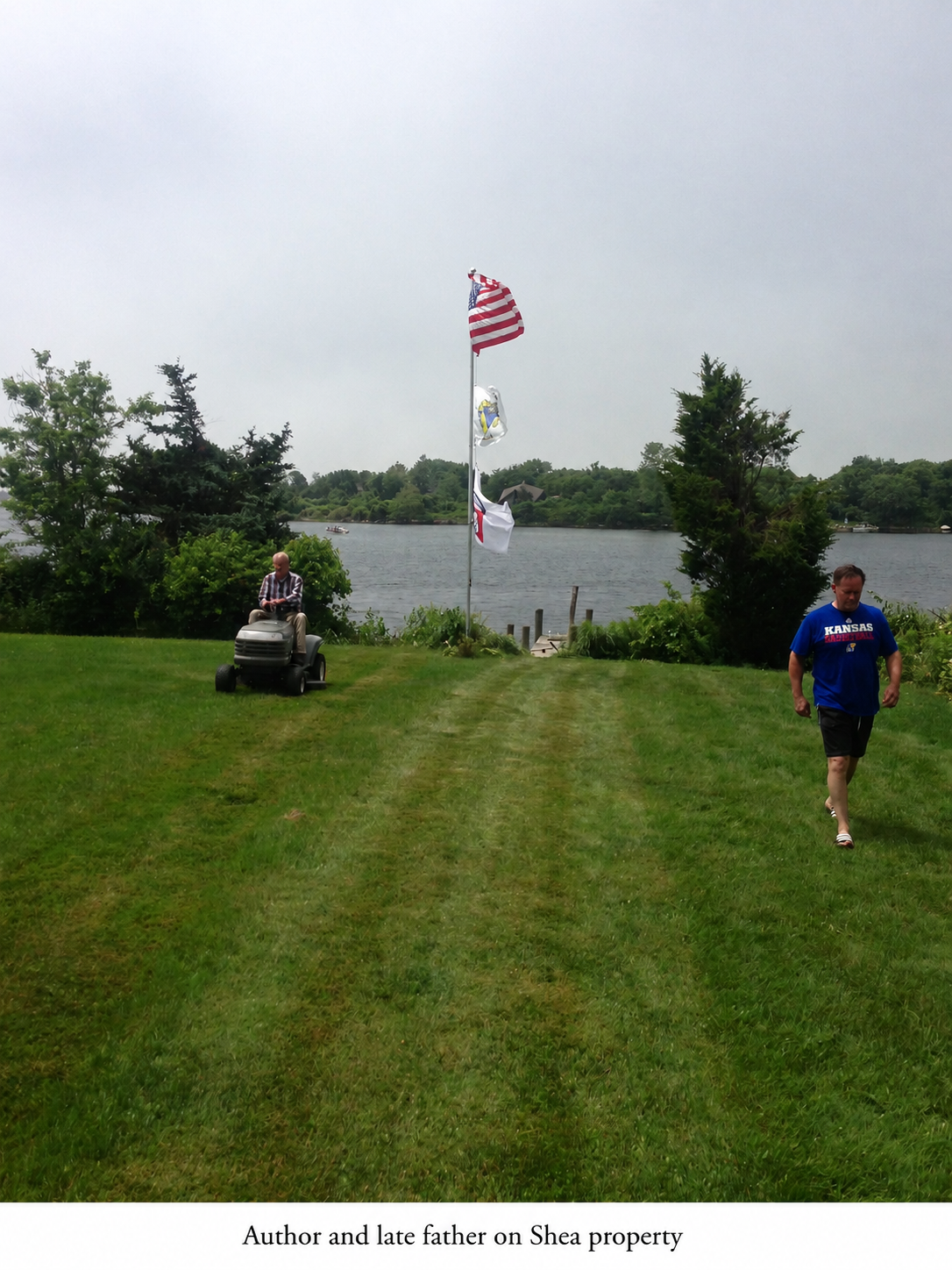
The project that became Matunuck: Rhode Island’s Sea Frontier began in 2014, when Shea and his late father started researching the area’s history together. Over the ensuing years, Shea assembled a personal research collection of historic publications and maps relating to Matunuck, South County, and Rhode Island’s coastal development.
A retired U.S. Army colonel and former senior defense intelligence analyst, Shea completed 45 years of military and federal service, including senior executive assignments with the Department of Defense and Federal Bureau of Investigation. He holds graduate degrees from the University of Kansas and National Defense University, served as a Professor of International Security Studies at the George C. Marshall European Center for Security Studies, and has published extensively in professional military journals.
Drawing upon his personal collection and broader archival research, Shea applies the research methods and analytical tradecraft developed during his career to an integrated study of Matunuck’s landscape, environment, history, economy, culture, and people.

Timothy C. Shea, Author
RESOURCES
Explore Matunuck & South County
The history of Matunuck is inseparable from the salt ponds, coastal landscape, Native homeland, historic communities, and organizations working today to understand and preserve the region. The following institutions provide additional resources for readers interested in South County's history and environment.
History & Heritage
South County History Center (formerly Pettaquamscutt Historical Society) — https://southcountyhistorycenter.org/
Rhode Island Historical Society — https://www.rihs.org/
South Kingstown Land Trust — https://sklt.org/
Rhode Island Historical Preservation & Heritage Commission — https://preservation.ri.gov/
Historic Hale House https://halehouseri.org/our-story/
Coast & Environment
Salt Ponds Coalition — https://saltpondscoalition.org/
Rhode Island Coastal Resources Management Council — Salt Pond Region SAMP — https://www.crmc.ri.gov/sampsaltponds/index.html
University of Rhode Island Coastal Institute — https://ci.uri.edu/
Narragansett & Pequot History & Culture
Narragansett Indian Tribe — official tribal website — https://narragansettindiannation.org/
Mashantucket Pequot Museum & Research Center.
Tomaquag Museum https://www.tomaquagmuseum.org